Swiss Licensing Protocols Governing Mobile Platform Game Provider Access
Cameron Albrecht · Nov 5, 2026
Swiss Licensing Protocols Governing Mobile Platform Game Provider Access
Swiss federal legislation establishes clear boundaries around which game providers may operate on mobile platforms, with the 2019 Federal Act on Gambling serving as the foundation that determines market entry through licensing, technical standards, and territorial restrictions. Observers note that these rules create a structured environment where only approved entities gain access, while others remain excluded regardless of their international standing or technological capabilities.
Federal Framework and Provider Eligibility
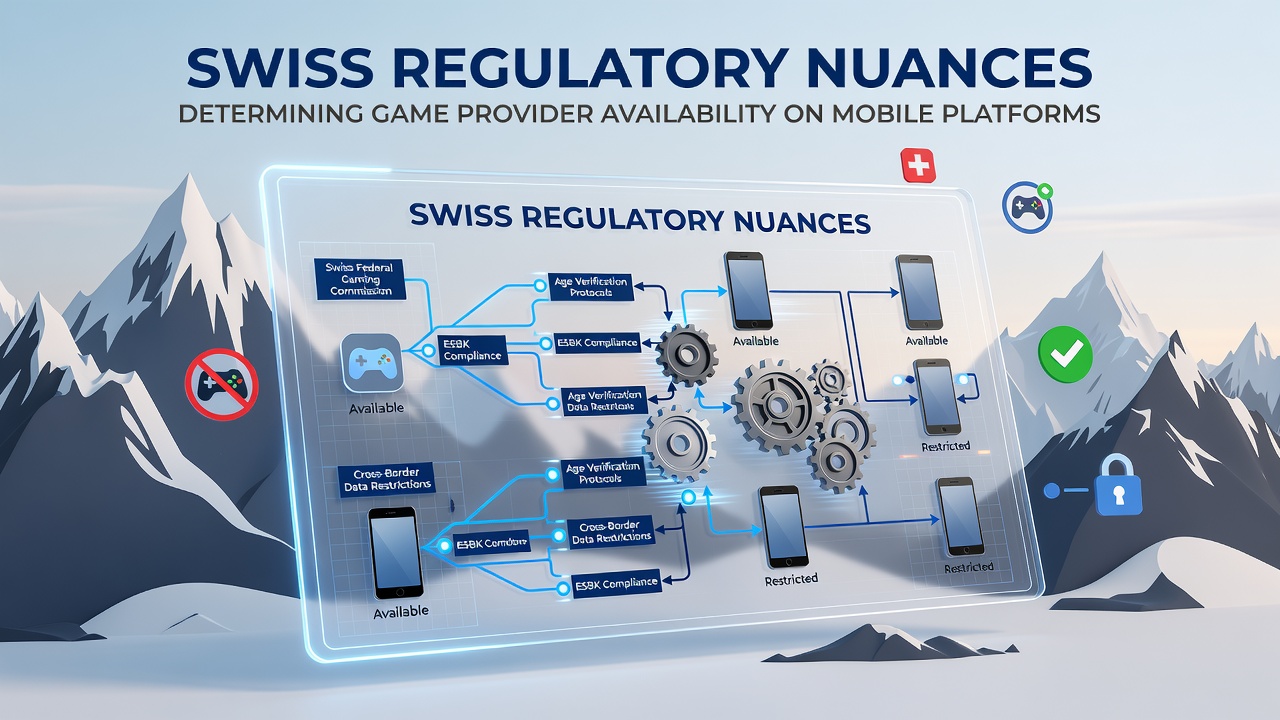
The Federal Council maintains oversight through the Swiss Federal Gaming Board, which evaluates applications based on financial stability, software integrity, and compliance with data protection mandates, and this process extends directly to mobile formats because the legislation treats digital delivery channels under unified criteria. Data from regulatory filings shows that providers must demonstrate server locations within approved jurisdictions, while operators face requirements for age verification systems that function seamlessly across smartphone interfaces, and those who fail these benchmarks encounter automatic exclusion from Swiss mobile ecosystems.
But here's the thing: mobile-specific nuances arise from device fingerprinting rules and app store distribution limits that Swiss authorities coordinate with international platforms, so providers seeking availability must align their offerings with both national law and technical protocols enforced by operating system vendors. Researchers at the University of St. Gallen have documented how these layered checks affect provider lists, with smaller studios often dropping out during the certification phase because they lack resources for multi-platform audits.
Technical and Distribution Requirements
Availability on mobile platforms hinges on adherence to encryption standards outlined in the Gambling Ordinance, which mandates end-to-end security for real-time data transmission between player devices and licensed servers, and this applies equally to iOS and Android environments operating within Swiss territory. Figures released in late 2026 indicate that approved providers increased their mobile traffic share by 12 percent compared with the prior year, yet the total number of accessible studios remained capped due to ongoing license renewals scheduled for November 2026.
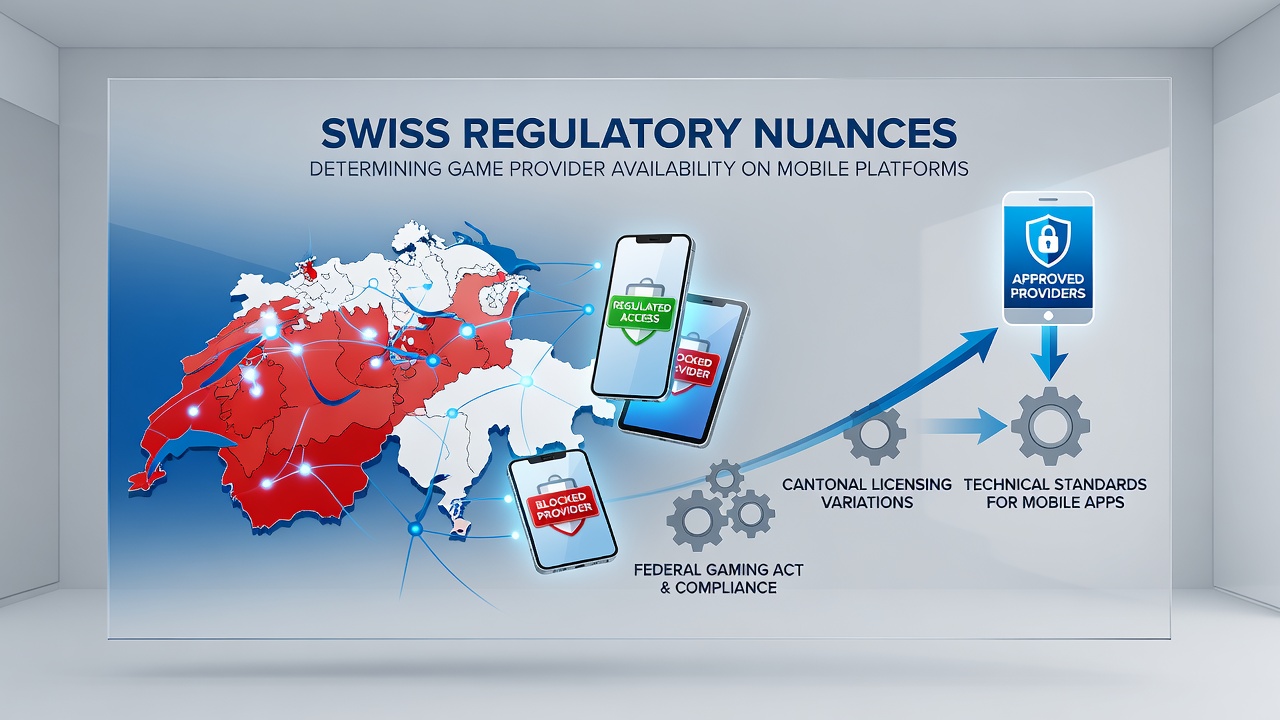
Those who've studied the approval pipeline understand that game providers must submit source code for independent testing at accredited laboratories, while mobile adaptations require separate validation for touch controls, battery optimization, and push notification compliance. The reality is that a single title can clear desktop certification yet fail mobile review if its user interface violates accessibility guidelines tied to Swiss consumer protection statutes, and this distinction directly shapes which catalogs appear in local app marketplaces.
Cross-Border Considerations and Market Impact
International agreements influence provider access because Switzerland participates in information-sharing arrangements with neighboring jurisdictions, allowing regulators to cross-reference licensing records from bodies such as the Malta Gaming Authority and the Nevada Gaming Control Board. According to reports compiled by the European Gaming and Betting Association, these exchanges help Swiss authorities identify providers with prior compliance issues, resulting in preemptive blocks on mobile availability even before formal applications reach Geneva offices.
What's interesting is how November 2026 deadlines for license extensions coincide with planned updates to mobile security protocols, prompting several providers to accelerate their certification efforts or withdraw from the market entirely. One case revealed that a mid-sized European studio adjusted its entire mobile portfolio to meet revised geolocation thresholds, only to discover that certain titles still required additional modifications for Swiss user data residency rules.
Conclusion
Swiss regulatory nuances continue to define game provider availability on mobile platforms through a combination of statutory requirements, technical validations, and international coordination mechanisms that together maintain a controlled market environment. Observers tracking developments into late 2026 expect further refinements as authorities review the cumulative effects of these policies on consumer access and industry participation.